Updated: May 2026
Your Complete Indonesia Luxury Phinisi Charter Price Guide for 2024
- Vessel Tier: Price is determined by the phinisi’s size, age, number of cabins, and onboard amenities.
- Destination: Itineraries in remote Raja Ampat command a 20-30% premium over more accessible Komodo.
- Inclusions: Rates typically cover the vessel, full crew, all meals, and standard water sports activities.
The first light spills across the Savu Sea, catching the deep amber of the teak deck under your bare feet. In the distance, the primeval silhouette of Padar Island rises from a placid, turquoise expanse. The air is thick with the scent of freshly brewed Sumatran coffee and the faint, briny promise of adventure. This is the sensory immersion of a journey aboard a traditional Indonesian phinisi, a handcrafted vessel that is less a boat and more a floating private estate. It’s an experience that transcends typical travel, but it comes with a price tag as bespoke as the journey itself. As an editor who has spent years navigating these waters, I’m here to demystify the investment required to unlock one of the planet’s most exclusive travel experiences.
Deconstructing the Phinisi Price Tag: What Are You Actually Paying For?
When you see a nightly rate for a phinisi, it’s crucial to understand you are not merely renting a vessel; you are commissioning a fully-staffed, mobile private resort. The price is an amalgamation of highly skilled labor, logistical complexity, and unparalleled exclusivity. The vessel itself is the most visible component. These are not factory-produced yachts. Each phinisi is a testament to the centuries-old boat-building traditions of the Konjo people of South Sulawesi, a craft so significant it is recognized as a UNESCO Intangible Cultural Heritage of Humanity. A top-tier, 50-meter phinisi can take over two years and cost upwards of $5 million to construct, using ironwood for the keel and teak for the decks and interiors.
Beyond the vessel is the crew, the lifeblood of the experience. On a luxury charter, it’s common to find a crew-to-guest ratio of 1:1 or even 2:1. This includes a seasoned captain, a cruise director who orchestrates your daily life, a private chef often with a background in fine dining, a dive master, engineers, and multiple stewards. This team works around the clock to ensure seamless service. The price also covers a full-board culinary program. We’re not talking about a simple buffet; expect multi-course meals, freshly baked bread, custom cocktails, and menus tailored to your dietary preferences, provisioned in a country where sourcing high-quality Western ingredients is a significant logistical challenge. Finally, the rate includes a host of activities and equipment. This means unlimited use of tenders for shore excursions, sea kayaks, stand-up paddleboards, and high-quality snorkeling gear. Fuel is another major factor, with a large phinisi consuming thousands of liters to navigate an archipelago that spans over 5,000 kilometers from east to west.
The Tiers of Luxury: From Boutique to Superyacht Phinisis
The Indonesian phinisi fleet is not monolithic; it exists on a spectrum of luxury, and understanding these tiers is key to interpreting the price. We can broadly categorize them into three levels.
Boutique Luxury (Approximately $3,000 – $6,000 per night): These are often smaller, more intimate vessels with 3 to 5 cabins, perfect for a single family or a few couples. Many are owner-operated, which lends a personal, passionate touch to the service. While they offer exceptional comfort, gourmet food, and experienced crews, they may have fewer of the “superyacht” toys. The experience is authentic and deeply comfortable, focused on the destination itself. They provide a fantastic entry point into the world of private charters without compromising on the core elements of service and adventure.
Premium & Expedition Class (Approximately $7,000 – $12,000 per night): This category represents a significant step up in scale and amenities. These phinisis typically feature 6 to 8 cabins, more expansive deck spaces, and dedicated facilities like a spa room for massages or a small library. The water sports equipment is more extensive, and you’ll always find a highly qualified PADI dive instructor and often multiple dive guides. These vessels are built for longer, more ambitious voyages, such as a two-week crossing of the Banda Sea to explore the historic Spice Islands. Their larger size, greater fuel capacity (some carry over 20,000 liters), and advanced navigation systems make them ideal for guests who want to go further off the grid. The ability to customize your Indonesia Yacht Rental Atelier itinerary is paramount on these charters, allowing for true exploration.
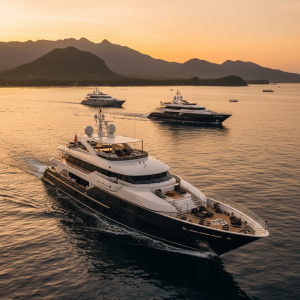
Ultra-Luxe Superyacht Phinisis (Approximately $15,000 – $25,000+ per night): This is the pinnacle of the fleet, a class of vessel that competes with the finest superyachts globally. Names like Prana by Atzaró, Dunia Baru, and Amandira define this space. Here, you can expect multiple decks, palatial master suites with private balconies, wine cellars, dedicated media rooms, and crew-to-guest ratios that exceed 2:1. The culinary programs are run by world-class chefs, and no request is too difficult. These phinisis are floating works of art, combining traditional craftsmanship with state-of-the-art technology and uncompromising luxury. They represent the ultimate platform for experiencing Indonesia’s remote beauty in absolute comfort and style.
Location, Location, Location: How Itinerary Dictates Cost
The second major variable in your luxury phinisi charter price guide is geography. Where you choose to sail directly impacts operational costs and, therefore, the nightly rate. The two primary cruising grounds, Komodo and Raja Ampat, have distinctly different pricing structures.
Komodo National Park: This is the more accessible and, consequently, more affordable of the two premier destinations. A short, one-hour flight from Bali to Labuan Bajo (LBJ) puts you at the doorstep of the park. The cruising area is relatively compact, meaning lower fuel consumption for a typical 4 to 7-night charter. However, you must factor in national park fees. As of 2024, these fees can be substantial, sometimes amounting to over $250 per person for a multi-day pass, a cost that is almost always billed separately from the charter fee. The proximity to Labuan Bajo’s port simplifies provisioning and crew changes, keeping operational costs for the fleet lower than in more remote regions.
Raja Ampat: Located off the coast of West Papua, Raja Ampat is the global epicenter of marine biodiversity. Reaching it requires more effort—typically a flight to Sorong (SOQ)—and the logistics of operating here are exponentially more complex. Provisions must be sourced from further away, fuel is more expensive, and the cruising area is vast. A charter here is rarely shorter than 7 nights, with 10 to 12 nights being ideal. To cover these increased costs, operators charge a premium of 20-30% over their Komodo rates. Many boats also levy a “relocation fee” to move the vessel from its base to the charter start point, which can add thousands of dollars. The reward, however, is access to a marine ecosystem that, according to Indonesia’s official tourism board, contains over 1,500 species of fish and 75% of the world’s known coral species.
For the true adventurer, expeditionary routes through the Spice Islands (Banda Sea), the Alor Archipelago, or Cenderawasih Bay offer unparalleled discovery but also come with the highest price tag due to their extreme remoteness and the long durations required.
The Hidden Extras: Decoding the Fine Print of Your Charter Agreement
A reputable charter company will be transparent about all costs, but it’s vital for clients to understand what is typically included versus what is extra. Misunderstanding this can lead to an unwelcome surprise at the end of an otherwise perfect trip. A standard charter fee almost always includes the private use of the vessel and all its amenities, the full crew’s salary, all meals and snacks, and non-alcoholic beverages. It also includes standard activities like snorkeling, kayaking, and paddleboarding.
However, several significant costs are usually billed separately. The most common are:
- National Park and Port Fees: As mentioned, these are mandatory government-levied charges and can be several hundred dollars per person.
- Alcoholic Beverages: While some boats include local beer, most premium spirits, and all wine are extra. These are typically charged at cost plus a small service fee.
- Scuba Diving: Policies vary. Some phinisis include diving, while others charge a per-dive or per-person daily rate, which covers the guide, equipment, and tank fills. Nitrox, if available, is almost always an additional charge.
- Crew Gratuity: This is discretionary but standard practice in the industry. A tip of 10-15% of the base charter fee is customary for excellent service and is given to the captain at the end of the trip for distribution among the entire crew.
- Relocation Fees: If you want the yacht to start or end a charter outside its normal operational area, you will be charged for the fuel and time required to move it.
A clear understanding of the booking process is essential, as it will outline precisely which costs are included and which will be settled after the charter.
Maximizing Value: When and How to Book for the Best Experience
While an indonesia yacht rental is a significant investment, there are strategies to maximize its value. “Value” in this context isn’t just about finding the lowest price but about securing the right boat, for the right itinerary, at the right time. The best phinisis are often booked 12 to 18 months in advance, particularly for peak seasons like Christmas, New Year’s, and the summer months of July and August. Last-minute deals are exceedingly rare in the luxury charter market; planning ahead is paramount.
Consider traveling during the shoulder seasons. For Komodo, this means April-May and September-October. For Raja Ampat, October-November can be excellent. During these periods, you may find better availability and occasionally more favorable pricing, all while enjoying fantastic weather and fewer boats in the popular anchorages. Determining the best time for your Indonesia yacht charter depends heavily on your chosen destination. Working with a specialized agency like Indonesia Yacht Rental Atelier is the most effective way to navigate this complex market. Our team has personal relationships with the boat owners and crews. We understand the nuances of each vessel and can match your group’s specific needs—be it a focus on diving, wellness, or family activities—to the perfect phinisi, ensuring there are no surprises. This insider knowledge is invaluable and ensures your investment yields the best possible return: a seamless, unforgettable journey. Proper preparation is also key, and our detailed Indonesia packing guide ensures you arrive ready for every adventure.
Quick FAQ: Your Phinisi Charter Price Questions Answered
Is crew gratuity included in the charter price?
No, gratuity is not included. It is a discretionary payment made at the conclusion of the charter to reward excellent service. The industry standard is 10-15% of the base charter fee, which the lead charterer gives to the captain for fair distribution among all crew members.
Why is Raja Ampat so much more expensive than Komodo?
The price difference is driven by logistics. Raja Ampat’s extreme remoteness significantly increases the cost of fuel, high-quality provisions, and general operations. Vessels must be self-sufficient for longer periods, and repositioning the fleet to this area from other parts of Indonesia incurs substantial costs that are factored into the nightly rate.
Are all activities like scuba diving included?
It varies by vessel. Most charters include non-motorized water sports. For scuba diving, some ultra-luxe phinisis include it in their rate, but many charge separately. This can be a flat fee per person for the trip or a per-dive cost. It’s a critical point to clarify during booking, especially for dive-focused groups. All charters place the highest priority on safety and trust, with certified dive masters and rigorous protocols.
Can I negotiate the charter price?
While there can be some flexibility, especially for longer charters or during shoulder seasons, the prices for top-tier phinisis are relatively firm. The value is not in a discount but in the all-inclusive nature of the service and access. The best approach is to work with a trusted broker who can present the best available options that align with your budget.
Ultimately, the price of a luxury phinisi charter is a reflection of its inherent rarity. It is the cost of entry into a world of bespoke adventure, of having a 17,000-island archipelago as your private playground, all orchestrated by a dedicated professional crew. It is an investment not in a vacation, but in a perspective-shifting expedition. The journey through Indonesia’s pristine marine wilderness is an experience that lingers long after you’ve returned to shore. To begin crafting your own private journey, explore the fleet available through the Indonesia Yacht Rental Atelier and let our specialists guide you toward the voyage of a lifetime.